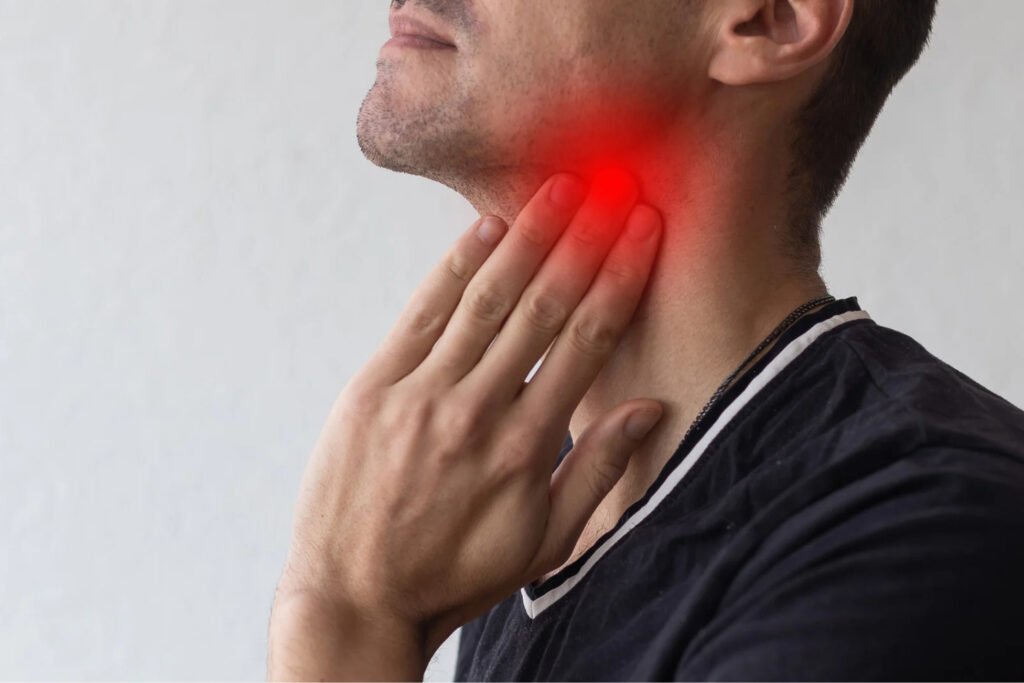
When people hear the words head and neck cancer, one of the first questions they often ask is, “Why did this happen?”
There is no single cause of head and neck cancer. Several factors can increase a person’s risk, including tobacco use, alcohol consumption, certain HPV infections, paan and areca nut, previous cancer, workplace exposures and other factors.
Having a risk factor does not mean that a person will definitely develop cancer. At the same time, some people develop head and neck cancer without having any obvious risk factor.
The good news is that some risks can be reduced. Understanding them can help you make healthier choices, recognise concerning symptoms and seek medical advice when something does not feel right.
Head and neck cancers can develop in different areas, including the mouth, tongue, gums, throat, voice box, nose, sinuses and salivary glands. The risk factors can vary depending on where the cancer starts.
What Are the Main Risk Factors for Head and Neck Cancer?
Some of the commonly recognised risk factors include:
- Tobacco use in any form
- Alcohol consumption
- Using tobacco and alcohol together
- Paan, gutkha, betel quid and areca nut
- Certain types of HPV infection
- Previous head and neck cancer
- Certain workplace or chemical exposures
- Some viral infections
- Previous radiation exposure
- Increasing age and certain genetic conditions
Having one or more of these risk factors does not mean that a person will definitely develop cancer. It simply means that the risk may be higher.
Can Tobacco Increase the Risk of Head and Neck Cancer?
Yes. Tobacco is one of the most important preventable risk factors for cancers affecting the mouth, throat and voice box.
Many people associate tobacco only with cigarettes. However, the risk is not limited to smoking.
Which Tobacco Products Can Increase the Risk?
Tobacco can be used in many forms, including:
- Cigarettes
- Beedis
- Cigars
- Pipes
- Chewing tobacco
- Khaini
- Gutkha containing tobacco
- Zarda and similar products
Smokeless tobacco is sometimes considered less harmful because there is no smoke involved. However, that does not make it safe.
Tobacco products contain cancer-causing substances that can damage cells in the mouth and other parts of the head and neck over time.
The longer and more frequently someone uses tobacco, the greater the concern. But there is no need to wait for symptoms before taking action.
Quitting tobacco at any stage is beneficial.
If you currently use tobacco and are finding it difficult to stop, speak to a doctor. Professional help can make quitting more manageable.
Can Alcohol Increase the Risk of Head and Neck Cancer?
Yes. Alcohol is another important risk factor, particularly for cancers of the mouth, throat and voice box.
People sometimes think alcohol becomes a concern only when someone drinks heavily. However, the relationship between alcohol and cancer risk is more complicated than that.
Alcohol can affect the tissues lining the mouth and throat. Regular or heavy consumption can increase the risk of certain cancers.
Why Is Tobacco Plus Alcohol More Concerning?
Using tobacco and alcohol together can increase cancer risk more than either exposure alone.
For example, someone who smokes and regularly drinks alcohol may have a greater risk than someone who only smokes or only drinks.
This is one reason doctors often ask patients about both tobacco and alcohol habits when assessing cancer risk.
Can Paan, Gutkha, Betel Quid and Areca Nut Increase Cancer Risk?
Yes. This is particularly important in India and South Asia.
Paan and chewing products are connected with everyday habits in many communities. Some people also believe that tobacco-free products such as plain supari are harmless.
That assumption can be misleading.
Betel quid, commonly known as paan, may contain betel leaf, areca nut, slaked lime and sometimes tobacco.
The use of betel quid has been associated with an increased risk of cancers of the oral cavity and oropharynx.
Areca nut itself is also a concern.
Therefore, simply choosing a tobacco-free chewing product does not automatically make it risk-free.
If you regularly chew paan, gutkha, supari or similar products, consider discussing ways to stop with your doctor.
Can HPV Cause Head and Neck Cancer?
Yes. Certain high-risk types of HPV can contribute to the development of some head and neck cancers.
HPV stands for human papillomavirus. It is a very common virus, and most HPV infections do not lead to cancer.
HPV is particularly associated with some cancers of the oropharynx, which includes areas such as the tonsils and the back of the throat.
This is also one reason why a person who has never smoked or consumed alcohol can still develop certain types of head and neck cancer.
HPV vaccination is one preventive measure that people can discuss with their healthcare provider. The appropriate age and vaccination schedule depend on individual circumstances and local recommendations.
It is important not to panic simply because you have had an HPV infection. HPV infection is common, and having HPV does not mean that you have cancer.
Does Previous Head and Neck Cancer Increase the Risk?
Yes. A person who has already been treated for head and neck cancer may have a higher risk of developing another cancer in the head and neck region.
This is why follow-up appointments remain important even after treatment has been completed and the patient feels completely well.
Regular follow-up allows doctors to:
- Monitor recovery
- Look for signs of recurrence
- Identify new concerning changes as early as possible
Patients should also avoid returning to habits such as tobacco use after treatment. Continuing tobacco use can create additional health risks.
Can Workplace Exposures Increase the Risk?
Yes. Certain long-term workplace exposures have been linked with specific head and neck cancers.
Depending on the type and duration of exposure, certain industrial chemicals, dusts and other substances can increase cancer risk in areas such as the nasal cavity and sinuses.
For example, long-term exposure to certain wood dusts and industrial substances has been associated with specific head and neck cancers.
If your occupation involves regular exposure to chemicals, dust or fumes, appropriate protective equipment and workplace safety measures are important.
Is EBV Linked to Head and Neck Cancer?
Yes. Epstein-Barr virus, or EBV, is associated with a particular type of head and neck cancer called nasopharyngeal cancer.
Nasopharyngeal cancer develops in the area behind the nose and above the throat.
However, it is important to understand that EBV is not a general cause of every head and neck cancer.
Different cancers have different causes and risk factors.
Does Age or Family History Increase the Risk?
Head and neck cancers are more commonly diagnosed in older adults, although younger people can also develop them.
Age is only one part of the picture.
A person’s lifestyle, tobacco and alcohol exposure, HPV status, previous cancer history and other factors can all influence their overall risk.
Family history can also be relevant in some cases, particularly when certain inherited conditions are involved.
However, having a family member with cancer does not mean that you will definitely develop cancer.
This is why cancer risk should be considered individually rather than based on one factor alone.
Can Someone Who Never Smoked Still Get Head and Neck Cancer?
Yes.
This is an important point because many people assume that head and neck cancer happens only to smokers or tobacco users.
Tobacco is a major risk factor, but it is not the only one.
HPV-associated cancers are one example of head and neck cancers that can occur in people without a history of smoking or drinking. Other cancers can also develop without an obvious risk factor.
So, a person should not ignore a persistent symptom simply because they have never smoked.
What Symptoms of Head and Neck Cancer Should You Get Checked?
Knowing the risk factors is useful, but recognising possible warning signs is equally important.
Consider seeing a doctor if you notice symptoms such as:
- A mouth ulcer that does not heal
- A persistent lump or swelling in the neck
- A white or red patch inside the mouth
- Persistent throat pain
- Difficulty or pain while swallowing
- A change in your voice or persistent hoarseness
- Unexplained bleeding from the mouth or throat
- Persistent ear pain without an obvious ear problem
- Difficulty chewing or moving the jaw
- Unexplained weight loss
- A persistent change inside the mouth
These symptoms do not automatically mean cancer.
Many can be caused by infections, dental problems or other less serious conditions.
However, if a symptom continues or keeps coming back, it is better to have it checked rather than assuming it will disappear on its own.
Can Head and Neck Cancer Be Prevented?
Not every case can be prevented. However, several important steps can lower your risk.
Quit Tobacco
Stopping smoking and avoiding smokeless tobacco are among the most important things you can do.
Avoid Paan, Gutkha and Other Chewing Products
Avoid gutkha, tobacco-containing paan, khaini and other chewing tobacco products.
It is also sensible to avoid areca nut and betel quid products rather than assuming that tobacco-free versions are completely safe.
Limit Alcohol
Reducing alcohol consumption can help lower the risk of several cancers.
Ask About HPV Vaccination
Speak with a healthcare professional about whether HPV vaccination is appropriate for you or your child.
Maintain Good Oral Health
Regular dental check-ups can help identify unusual changes in the mouth.
While there is no single routine screening test for all head and neck cancers, dentists may notice suspicious changes during an oral examination.
Don’t Ignore Persistent Symptoms
This may be the simplest but most important step.
A mouth ulcer that heals in a few days is usually different from one that remains for weeks.
A temporary sore throat is different from persistent throat discomfort.
A neck lump that does not go away deserves medical evaluation.
Early evaluation does not mean that you have cancer. It simply means you are not leaving an unexplained problem unchecked.
When Should You See a Head and Neck Cancer Specialist?
If you have a persistent neck lump, unexplained mouth changes, difficulty swallowing, long-lasting hoarseness or another concerning symptom, you should consider seeking medical evaluation.
Depending on the symptoms, your doctor may recommend an examination by an ENT specialist, oral specialist or cancer specialist.
If cancer is suspected, the evaluation may include:
- Physical examination
- Imaging tests
- Endoscopy
- Biopsy
A biopsy is often needed to confirm whether abnormal tissue is cancerous.
The treatment plan then depends on several factors, including the location and stage of the cancer, the patient’s overall health and certain features of the tumour.
Treatment may involve surgery, radiation therapy, chemotherapy, targeted therapy, immunotherapy or a combination of treatments.
The best approach is not the same for every patient.
For patients looking for head and neck cancer treatment in Gurgaon, choosing a centre with a multidisciplinary team can be valuable because these cancers can affect important functions such as speaking, swallowing, breathing and appearance.
Why Does Early Evaluation Matter?
One of the biggest mistakes people make is waiting for a symptom to become severe before seeking help.
A small change in the mouth may seem insignificant. A neck lump may not hurt. A voice change may be blamed on the weather or repeated throat infections.
But persistent or unexplained changes deserve attention.
Getting checked early does not mean assuming the worst. In many cases, the cause may be something completely different.
The purpose of an evaluation is simply to find out what is actually happening.
If cancer is diagnosed, finding it at an earlier stage can also give the medical team more treatment options and may make treatment more manageable.
The Bottom Line
There is no single cause behind every case of head and neck cancer.
Tobacco, alcohol, paan and betel quid, areca nut, certain HPV infections and some other exposures can increase the risk.
At the same time, people without these risk factors can also develop cancer.
The most useful approach is not to live in fear, but to understand your risks and pay attention to changes in your body.
Avoid tobacco and chewing products, limit alcohol, discuss HPV vaccination with your doctor and do not ignore symptoms that persist.
If you have a symptom that concerns you, getting a professional opinion is always better than guessing.
Looking for Expert Care?
At Peritus, Head & Neck Cancer Specialist, Dr. Biswajyoti Hazarika and Dr. Rudra Sharma provide specialist evaluation and personalised treatment planning for head and neck cancer.
If you have a persistent neck lump, mouth ulcer, swallowing difficulty, voice change or have been diagnosed with head and neck cancer, speak with an oncology specialist.
To consult Best Head and Neck Cancer Surgeon in Gurgaon, call: +91 9217317742.
Frequently Asked Questions
What is the biggest risk factor for head and neck cancer?
Tobacco use is one of the most important risk factors, particularly for cancers of the mouth, throat and voice box. Alcohol also increases the risk, and using tobacco and alcohol together can increase the risk further.
Can a person who does not smoke get head and neck cancer?
Yes. Smoking is an important risk factor, but it is not the only one. Certain HPV infections, for example, are associated with some cancers of the throat. Other risk factors and unknown causes can also play a role.
Does gutkha or paan increase the risk of oral cancer?
Yes. Tobacco-containing chewing products such as gutkha are associated with an increased risk of oral cancer. Betel quid and areca nut are also important concerns and should not be considered completely safe simply because a product does not contain tobacco.
Can alcohol increase the risk of head and neck cancer?
Yes. Alcohol can affect tissues in the mouth and throat, and regular or heavy consumption can increase the risk of certain head and neck cancers. The risk can be particularly concerning when alcohol is combined with tobacco.
Can HPV cause head and neck cancer?
Certain high-risk HPV infections can contribute to some head and neck cancers, particularly cancers of the oropharynx. However, most HPV infections do not lead to cancer.
Is every neck lump a sign of cancer?
No. Neck lumps can have many causes, including infections and enlarged lymph nodes. However, a lump that persists, grows or is accompanied by other concerning symptoms should be evaluated by a doctor rather than ignored.
Can head and neck cancer be prevented?
Some cases may be preventable by avoiding tobacco, reducing alcohol consumption, avoiding betel quid and areca nut, and discussing HPV vaccination with a healthcare professional. However, not every case can be prevented.
Can head and neck cancer occur without any known risk factor?
Yes. Some people develop head and neck cancer without an obvious risk factor. This is why persistent or unexplained symptoms should be evaluated even if a person does not smoke or drink.
Medical Note: This article is intended for general health awareness and does not replace a medical consultation. If you have persistent or unexplained symptoms, consult a qualified healthcare professional for an appropriate evaluation.