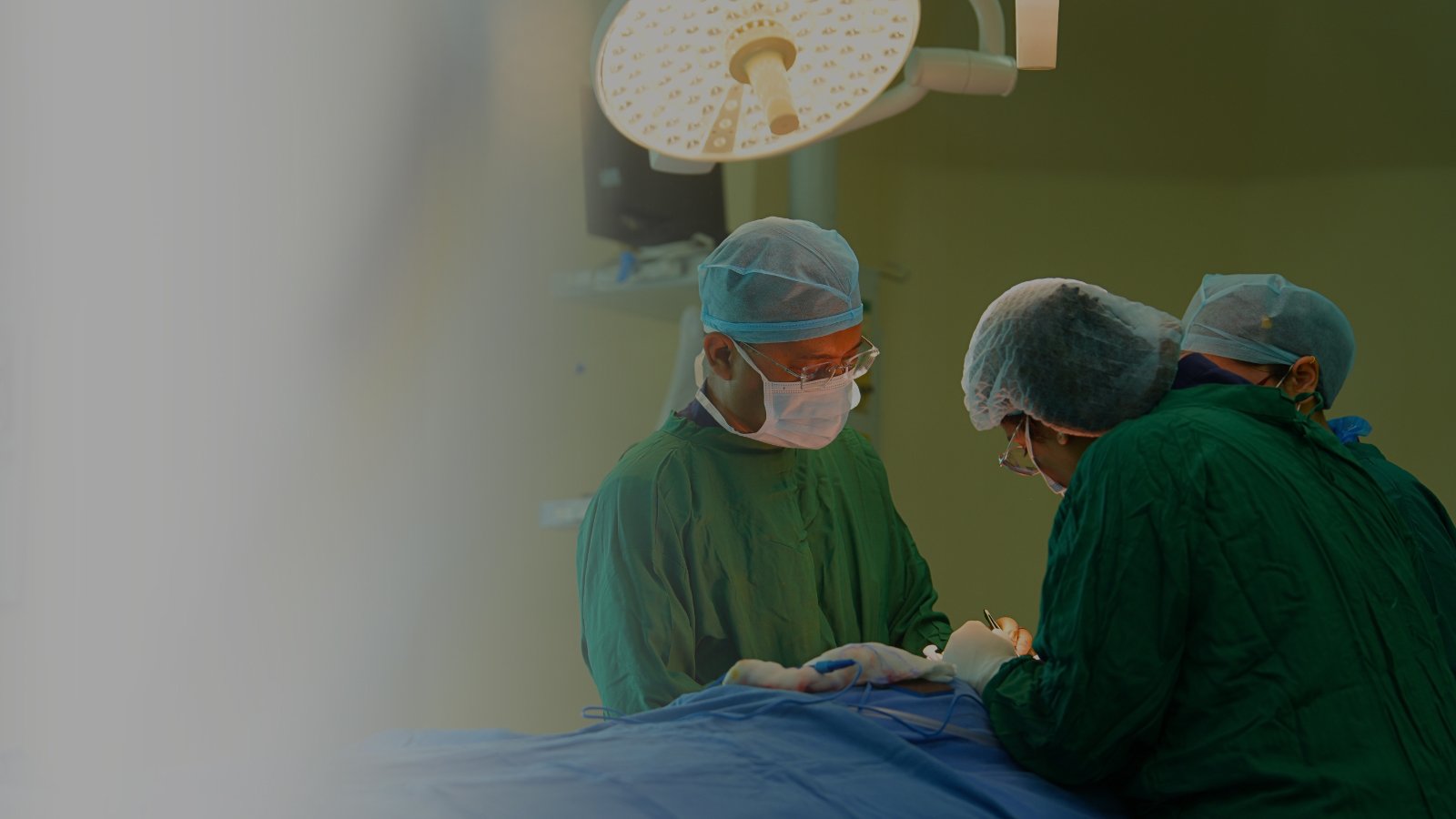

Dedicated to Excellence, Driven by Passion, Defined by Compassion
Centre for Advanced Head & Neck Cancer Care with Precision, Ethics and Empathy.

Head & Neck Cancer Specialists & Surgeons
Peritus is a specialised team of head and neck cancer specialists dedicated to the diagnosis and treatment of head and neck cancers. We provide personalised, evidence-based care for cancers affecting the mouth, tongue, throat, voice box, thyroid, salivary glands, nose and sinuses.
Our head and neck cancer surgeons combine advanced surgical expertise with multidisciplinary cancer care, with a focus on effective cancer treatment while preserving important functions such as speech, swallowing, breathing and appearance whenever possible.
Every treatment plan is tailored to the patient’s diagnosis, cancer stage, overall health and individual needs.
Head & Neck Cancer Specialists & Surgeons
Meet our experienced head and neck cancer specialists and surgeons dedicated to the diagnosis, treatment and surgical management of head and neck cancers.

Dr. Biswajyoti Hazarika
Head & Neck Surgical Oncology
Fortis Memorial Research institute, Gurugram

Dr. Rudra Sharma
Head & Neck Surgical Oncology
Fortis Memorial Research Institute, Gurugram

Dr. Manish Kumar
Head & Neck Surgical Oncology
Medical Scientist Fellowship Program – Samsung Medical Center, South Korea

Our Approach to Head & Neck Cancer Treatment
Head and neck cancer can affect more than physical health—it can also impact speech, swallowing, breathing, appearance and emotional well-being. Our head and neck cancer specialists and surgeons take a personalised, multidisciplinary approach to treatment, considering both cancer control and the patient's long-term quality of life.
Our approach focuses on:Advanced Head & Neck Cancer Surgery
Our head and neck cancer surgeons use appropriate surgical techniques based on the type, location and extent of the cancer. Where clinically appropriate, advanced surgical approaches may help achieve effective cancer treatment while supporting recovery and preserving important functions.
Minimally Invasive Head & Neck Surgery
Minimally invasive techniques may use smaller incisions and specialised instruments to treat selected head and neck cancers, with the approach determined by the location and extent of the disease.
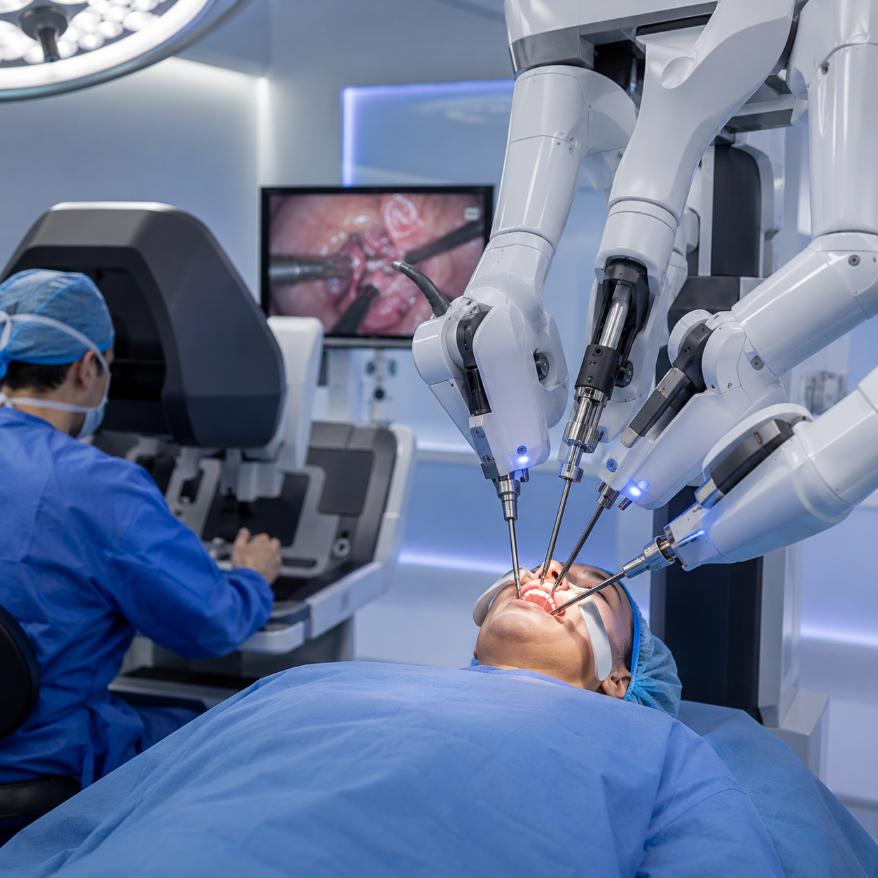
Robotic Head & Neck Surgery
Robotic-assisted surgery can provide enhanced visualisation and precise instrument control for selected head and neck cancer procedures when clinically appropriate.
Advanced TechnologyHead & Neck Cancers Treated by Our Specialists
Our head and neck cancer specialists provide diagnosis and treatment for a wide range of cancers affecting the mouth, tongue, throat, voice box, nose, sinuses, salivary glands and other areas of the head and neck. Treatment is planned according to the type, location and stage of each cancer.
Oral Cancer (Mouth Cancer) Treatment
Advanced diagnosis and treatment for cancers affecting the oral cavity.
Read More →Tongue Cancer Treatment
Specialized care for cancers affecting the tongue and oral tissues.
Read More →Nasopharyngeal Cancer Treatment
Comprehensive management of cancers located behind the nose.
Read More →Understanding Head & Neck Cancer
Head and neck cancer is a group of cancers that can develop in the mouth, tongue, throat, voice box, nose and sinuses, salivary glands, thyroid and other areas of the head and neck. Because these areas are important for speaking, swallowing, breathing and eating, head and neck cancer can affect both physical health and everyday quality of life. Understanding the type, location and stage of the cancer is an important first step in choosing the right treatment.
If you have been diagnosed with head and neck cancer or have symptoms that concern you, a consultation with a head and neck cancer specialist can help you understand your diagnosis and treatment options.

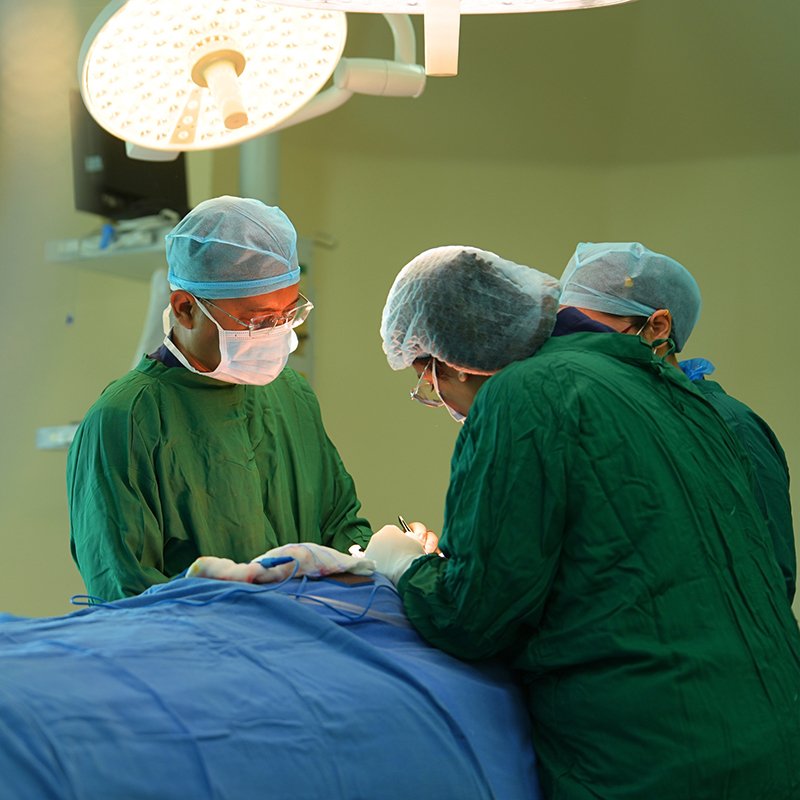
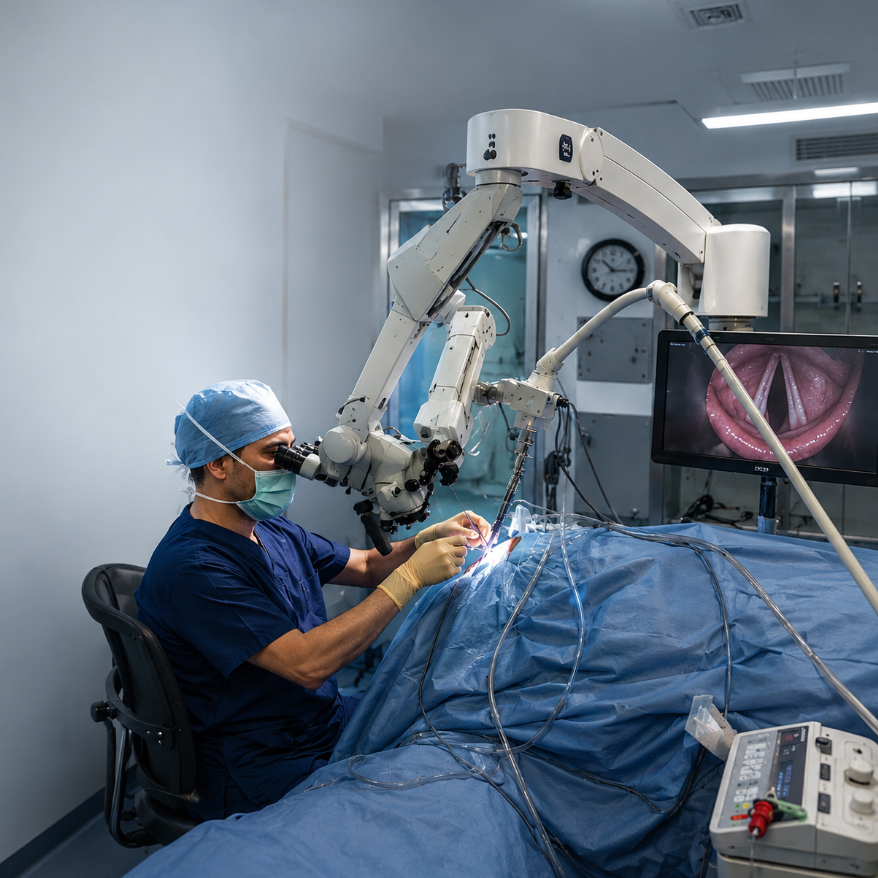
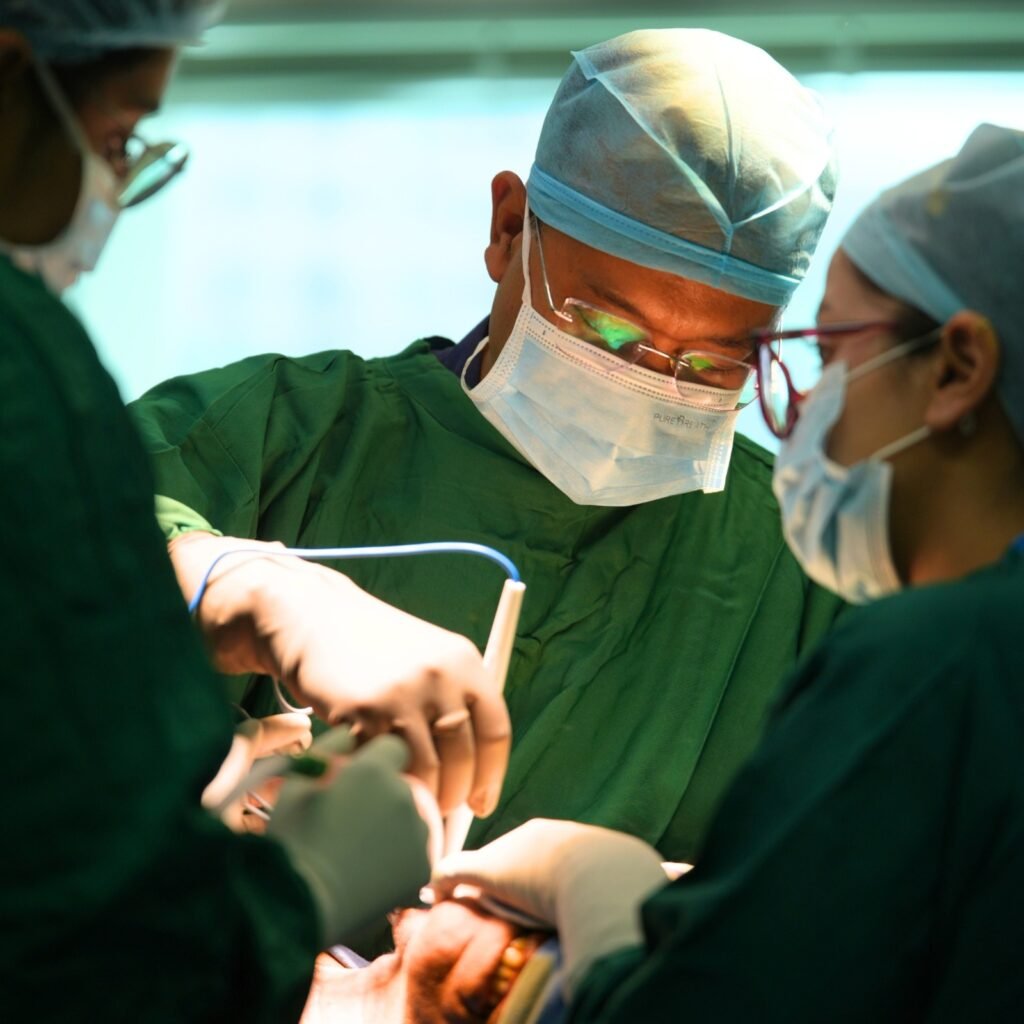
Head & Neck Cancer Treatment & Oncology Services
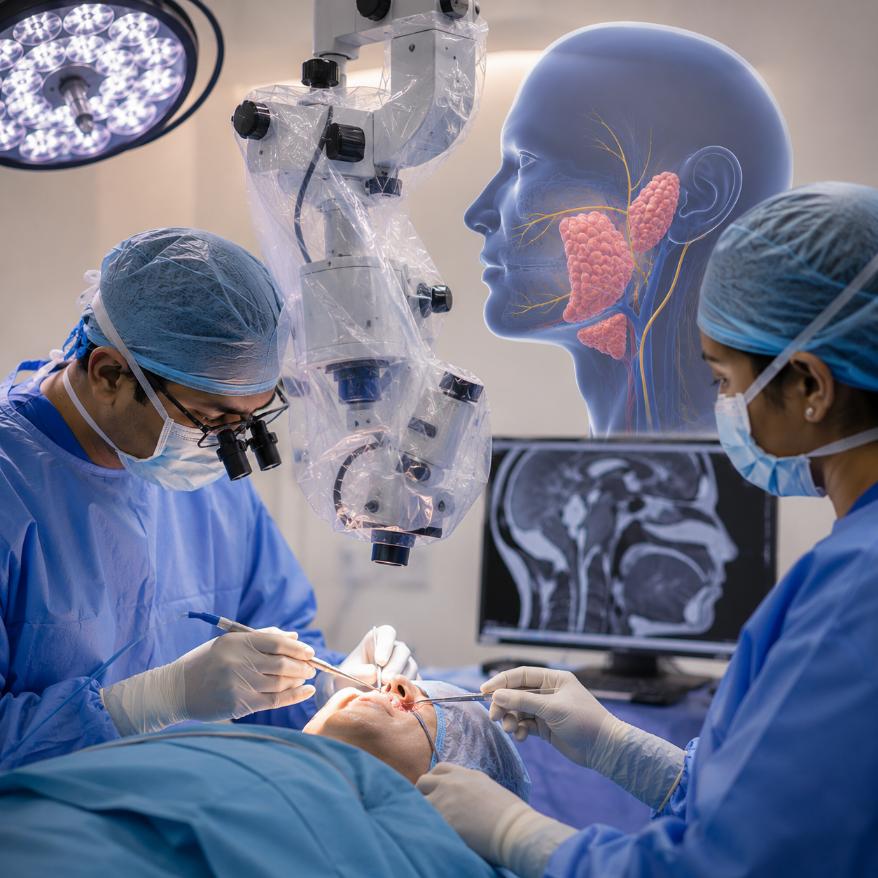
Our head and neck cancer specialists provide comprehensive evaluation, surgical treatment and multidisciplinary cancer care tailored to each patient's diagnosis, cancer type and treatment needs.
Why Patients Choose Peritus
Specialised head and neck cancer care focused on personalised treatment, multidisciplinary expertise and the needs of each patient.
Dedicated Head & Neck Oncology Team
A specialised team focused on the diagnosis, treatment and surgical management of head and neck cancers.
Personalized Treatment Planning
Treatment is planned according to each patient's diagnosis, cancer type, stage, overall health and individual needs.
Evidence-Based Cancer Care
Treatment decisions are guided by current clinical evidence, appropriate diagnostic findings and established medical practices.
Function & Quality of Life
Head and neck cancer treatment considers important functions such as speech, swallowing, breathing and appearance alongside cancer treatment.
Multidisciplinary Cancer Care
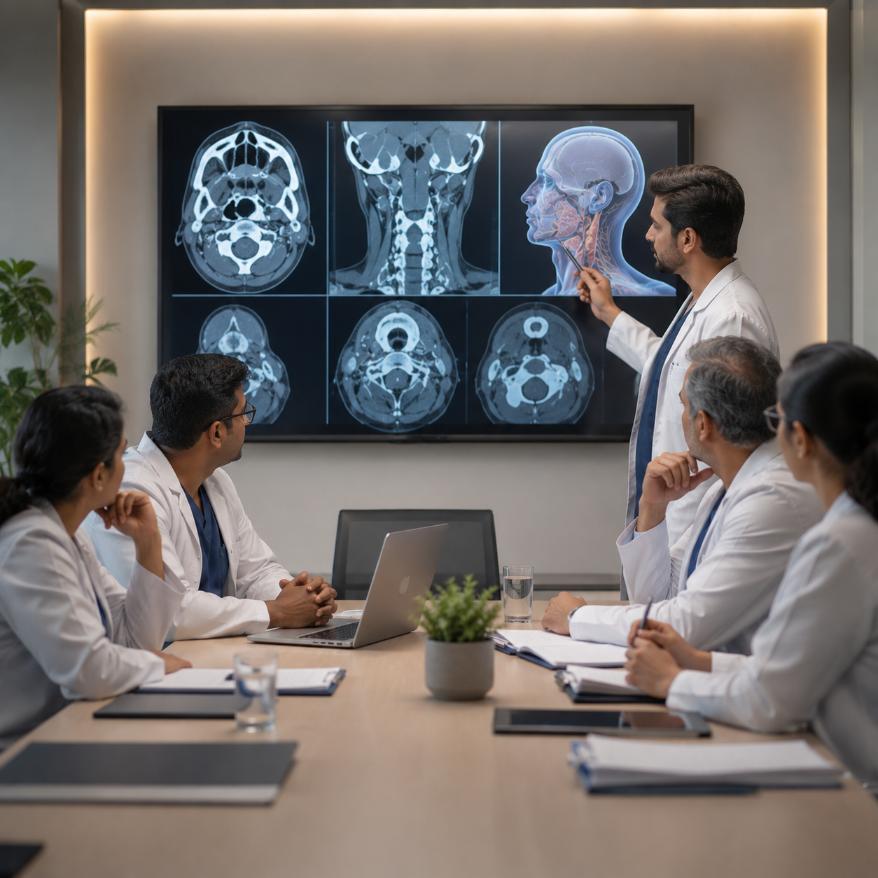
Complex cases can be reviewed collaboratively by relevant specialists to help develop an appropriate treatment plan.
Follow-Up & Survivorship Care
Ongoing follow-up helps monitor recovery, manage treatment-related needs and support long-term care after treatment.
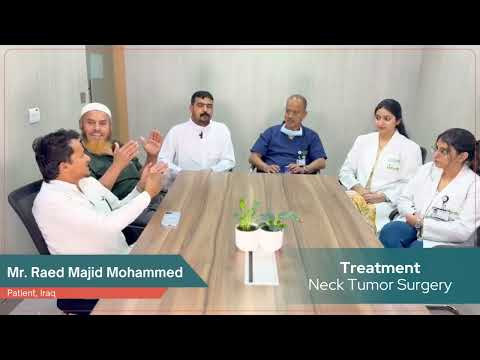
Hear Directly From Our Patients
Watch real patient stories and treatment experiences.
 ►
►
 ►
►
This video can't be played here because the owner has disabled playback on other websites.
Watch on YouTubeNeed consultation or Second Opinion?
Our team is committed to guiding patients and families through every stage of diagnosis, treatment, recovery, and survivorship.
Frequently Asked Questions
A head and neck cancer specialist diagnoses and treats cancers affecting areas such as the mouth, tongue, throat, voice box, nose and sinuses, salivary glands and other structures of the head and neck. Treatment may include surgery, radiation therapy, medicines or a combination, depending on the cancer type and stage.
You should consider a medical evaluation for persistent or unexplained symptoms such as a mouth or throat sore that does not heal, a lump in the neck, difficulty or pain while swallowing, persistent hoarseness, unexplained bleeding, persistent ear pain or an unexplained lump or swelling. These symptoms can have causes other than cancer, but persistent symptoms should be evaluated by an appropriate healthcare professional.
Possible signs include a persistent mouth or throat sore, a lump in the neck, difficulty swallowing, persistent sore throat, voice changes or hoarseness, unexplained bleeding, persistent ear pain, or a blocked nose or nosebleeds depending on where the cancer develops. Symptoms vary by the location of the cancer.
Diagnosis may involve a physical examination, review of symptoms and medical history, imaging tests and a biopsy when needed. Additional tests may be performed to determine the type, location and stage of the cancer and to help plan treatment.
Treatment depends on the type, location and stage of the cancer, as well as the patient’s overall health. Options may include surgery, radiation therapy, chemotherapy, targeted therapy, immunotherapy or a combination of treatments.
No. Surgery is one possible treatment, but it is not appropriate for every patient. The recommended treatment depends on factors such as the cancer’s location, type, stage and the patient’s overall health. Some patients may need radiation therapy, medicines or a combination of treatments instead.
A head and neck cancer surgeon specialises in the surgical management of cancers affecting areas such as the mouth, tongue, throat, larynx, nose, sinuses, salivary glands and neck. Depending on the cancer, surgery may involve removing the tumour, treating affected lymph nodes or reconstructing affected tissues.
Transoral robotic surgery (TORS) is a minimally invasive surgical approach in which selected head and neck tumours can be accessed through the mouth using specialised robotic instruments. Whether TORS is appropriate depends on the location and characteristics of the tumour and the individual patient’s treatment plan.
It can. Depending on the location and extent of the cancer and the treatment required, surgery may affect functions such as speaking, swallowing, chewing or appearance. Reconstructive procedures and rehabilitation may be considered when appropriate to support function and recovery.
Recovery varies considerably depending on the type and extent of surgery, the location of the cancer, other treatments required and the patient’s overall health. Some patients may need rehabilitation for speech, swallowing, nutrition or other functions during recovery. Your surgeon can provide a more specific recovery plan after evaluating your condition.
A second opinion can be helpful if you want to better understand your diagnosis, treatment options or whether surgery is appropriate. It can also help when a treatment decision is complex or you would like another specialist’s perspective before starting treatment.
Look for a specialist with appropriate training and experience in head and neck oncology, access to the diagnostic and treatment services you may need, and a multidisciplinary approach when appropriate. It is also useful to ask about your diagnosis, treatment options, potential side effects, expected recovery and follow-up care before making a treatment decision.
You can contact Peritus Head & Neck Oncology Group to schedule a consultation with our head and neck cancer specialists and surgeons in Gurugram. Bring your previous medical reports, scans, biopsy reports and treatment records, if available.
Yes, patients can seek a second opinion to better understand their diagnosis, treatment options or surgical recommendations. Bring your existing reports, scans, biopsy results and previous treatment records so the specialist can review your case.
Bring your previous medical reports, biopsy or pathology reports, CT/MRI/PET scans and reports, medication list and details of previous treatments or surgeries, if applicable. Having these records can help the specialist understand your diagnosis and treatment history.