
Oral Cancer Treatment in Gurgaon
Advanced Mouth Cancer Treatment by Expert Head & Neck Cancer Specialists for Personalized Care, Precision Surgery & Reconstruction with a Focus on Preserving Speech, Swallowing, Appearance, and Quality of Life
- Head & Neck Cancer Experts
- Personalized Treatment Plans
- Advanced Surgical Care
- Comprehensive Cancer Support
Comprehensive Oral & Mouth Cancer Treatment
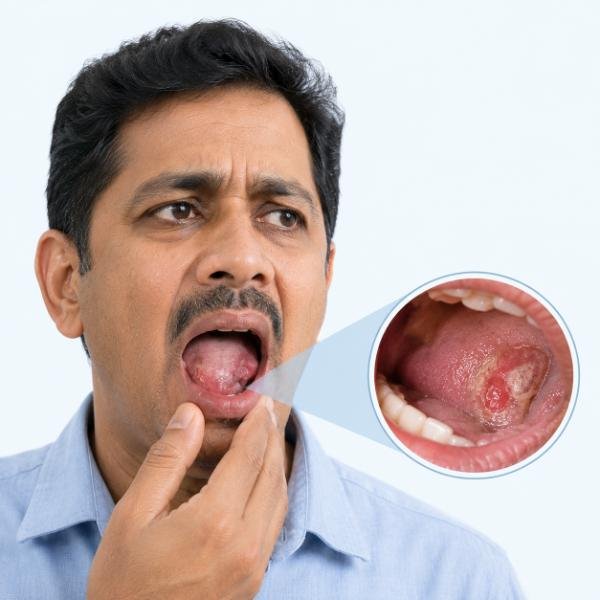
Oral cancer, also known as mouth cancer, can affect the tongue, gums, inner cheeks, lips, roof of the mouth, and floor of the mouth. While it often begins with symptoms such as a non-healing mouth ulcer, red or white patches, or difficulty swallowing, early diagnosis offers the best chance for successful treatment. At Peritus Head & Neck Cancer Centre, every patient receives a personalized treatment plan based on the stage, location, and extent of the disease. Depending on your condition, treatment may include oral cancer surgery, reconstructive surgery, radiation therapy, chemotherapy, targeted therapy, or immunotherapy. Our multidisciplinary team works together to deliver effective cancer care while preserving essential functions such as speech, swallowing, chewing, and facial appearance whenever possible. Whether you need a first consultation, a second opinion, or advanced treatment, our specialists are committed to providing compassionate, evidence-based care at every stage of your journey.
Signs & Symptoms of Oral Cancer
If any of these symptoms last longer than two weeks, consult a Head & Neck Cancer Specialist.
- Persistent Mouth Ulcer: A sore that doesn't heal within two weeks is one of the earliest warning signs.
- Red or White Patches: Persistent patches inside the mouth or on the tongue require medical evaluation.
- Lump or Swelling: A lump inside the mouth, jaw, or neck should never be ignored.
- Difficulty Swallowing: Pain or discomfort while chewing or swallowing may indicate oral cancer.
- Loose Teeth: Teeth becoming loose without dental disease should be examined by a specialist.
- Mouth Pain or Bleeding: Persistent pain, numbness, or unexplained bleeding needs prompt evaluation.

How Oral Cancer is Diagnosed
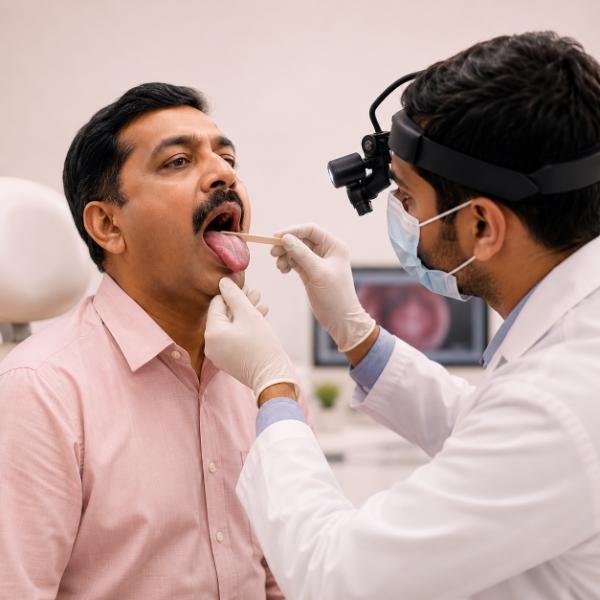
Accurate diagnosis is the first step toward effective oral cancer treatment. At Peritus Head & Neck Cancer Centre, our specialists perform a comprehensive evaluation to determine the type, location, and stage of the cancer before recommending the most appropriate treatment plan. Our diagnostic process may include:
- Clinical Examination: A detailed examination of the mouth, tongue, throat, and neck to identify suspicious lesions or swollen lymph nodes.
- Biopsy: A small tissue sample is collected and examined under a microscope to confirm the diagnosis.
- Imaging Tests: CT Scan, MRI, or PET-CT may be recommended to determine the size of the tumour and whether it has spread.
- Cancer Staging: The cancer is staged to help plan the most effective treatment approach.
Advanced Oral Cancer Treatment Options
No two patients are the same. Our specialists create personalized treatment plans based on the stage, location, and overall health of each patient.
- Oral Cancer Surgery: Surgical removal of the tumour remains the primary treatment for many oral cancers, with a focus on complete cancer removal while preserving function whenever possible.
- Reconstructive Surgery: Advanced reconstructive procedures help restore appearance, speech, and swallowing after cancer surgery.
- Radiation Therapy: Radiation therapy may be recommended after surgery or as a primary treatment for selected cases.
- Chemotherapy: Chemotherapy may be used before surgery, after surgery, or alongside radiation therapy depending on the cancer stage.
- Targeted Therapy & Immunotherapy: For selected patients, advanced targeted treatments and immunotherapy can improve treatment outcomes while reducing damage to healthy tissues.


Your Oral Cancer Treatment Journey
Every patient's journey is unique, but our goal remains the same—providing personalized care with support at every stage.
- Consultation – Meet our Head & Neck Cancer Specialist for a detailed evaluation.
- Diagnosis – Advanced investigations help determine the stage and extent of the cancer.
- Personalized Treatment Plan – A treatment strategy is developed based on your diagnosis and overall health.
- Treatment – Depending on your condition, treatment may include surgery, radiation therapy, chemotherapy, targeted therapy, immunotherapy, or reconstruction.
- Recovery & Rehabilitation – We support your recovery with follow-up care focused on speech, swallowing, nutrition, and overall well-being.
Why Choose Peritus for Oral Cancer Treatment?
Choosing the right specialist plays a crucial role in successful oral cancer treatment. At Peritus Head & Neck Cancer Centre, we combine surgical expertise with multidisciplinary cancer care to deliver personalized treatment focused on both survival and quality of life.
- Dedicated Head & Neck Cancer Specialists
- Personalized Treatment Planning
- Advanced Oral Cancer Surgery & Reconstruction
- Multidisciplinary Team Approach
- Focus on Speech & Swallow Preservation
- Compassionate Pre & Post-Treatment Care

Visit Our Cancer Care Center
Locate our clinic in Gurgaon and book your consultation with our Head & Neck Cancer Specialist.