
Tongue Cancer Treatment in Gurgaon
Expert Tongue Cancer Treatment with Advanced Diagnosis, Precision Surgery & Reconstruction Focused on Effective Cancer Care and Preserving Speech, Swallowing & Quality of Life
- Expert Head & Neck Cancer Specialists
- Advanced Tongue Cancer Surgery
- Personalized Treatment Plans
- Comprehensive Cancer Care
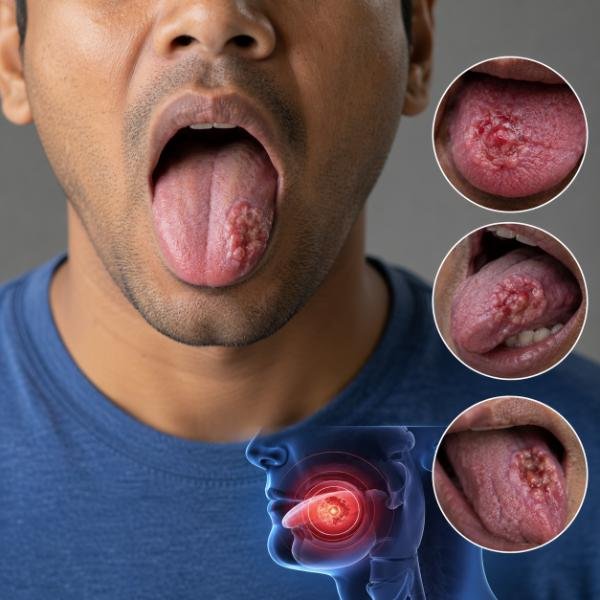
Comprehensive Tongue Cancer Treatment
Tongue cancer is a type of oral cancer that develops in the tissues of the tongue. It may affect the front two-thirds of the tongue (oral tongue) or the base of the tongue, which forms part of the throat (oropharynx). Early symptoms such as a persistent tongue ulcer, pain, difficulty swallowing, or a lump are often overlooked, delaying diagnosis and treatment. At Peritus Head & Neck Cancer Centre, we provide personalized tongue cancer treatment based on the stage, location, and overall health of each patient. Depending on the diagnosis, treatment may include tongue cancer surgery, reconstructive surgery, radiation therapy, chemotherapy, targeted therapy, or immunotherapy. Our multidisciplinary team works together to remove the cancer while preserving speech, swallowing, and tongue function whenever medically possible. Whether you need an initial consultation, a second opinion, or advanced tongue cancer treatment, our specialists are committed to delivering compassionate, evidence-based care at every stage of your treatment journey.
Signs & Symptoms of Tongue Cancer
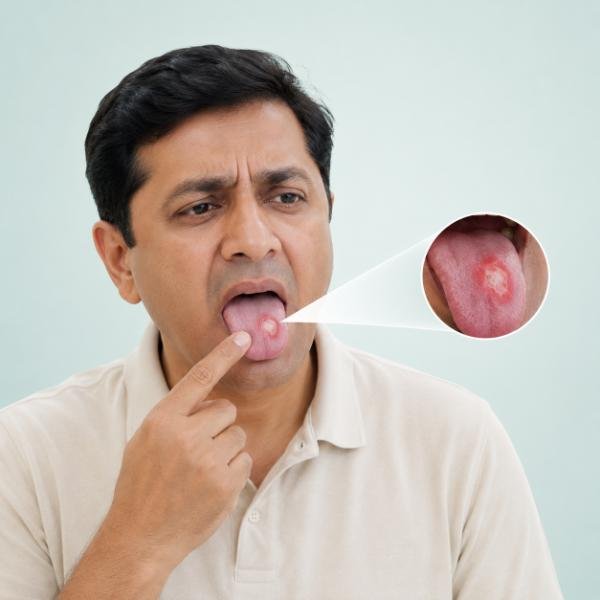
Persistent tongue ulcers, pain, or changes in the tongue should never be ignored. If symptoms last longer than two weeks, consult a Head & Neck Cancer Specialist.
- Persistent Tongue Ulcer: A sore or ulcer on the tongue that does not heal within two weeks requires prompt medical evaluation.
- Tongue Pain: Persistent pain or burning sensation in the tongue without an obvious cause should be assessed by a specialist.
- Red or White Patches: Persistent red or white patches on the tongue may indicate abnormal tissue changes.
- Difficulty Swallowing: Pain or discomfort while swallowing may occur as the tumour grows.
- Difficulty Speaking: Changes in speech, tongue movement, or pronunciation can occur when the tongue is affected.
- Lump or Thickening: A lump, swelling, or thickened area on the tongue or inside the mouth should never be ignored.
How Tongue Cancer is Diagnosed
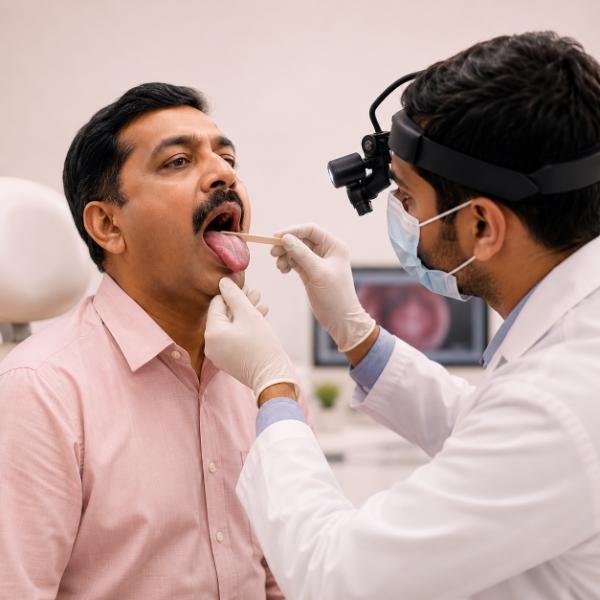
Accurate diagnosis is essential for planning the most effective tongue cancer treatment. At Peritus Head & Neck Cancer Centre, our specialists perform a thorough evaluation to determine the type, location, and stage of the cancer before recommending a personalized treatment plan. Our diagnostic process may include:
- Clinical Examination to assess the tongue, mouth, throat, and neck.
- Biopsy to confirm the presence of cancer cells.
- CT Scan, MRI, or PET-CT to determine the size of the tumour and whether it has spread.
- Cancer Staging to guide treatment planning and improve outcomes.
Advanced Tongue Cancer Treatment Options
At Peritus Head & Neck Cancer Centre, every treatment plan is tailored to the stage, location, and extent of the cancer. Our multidisciplinary team combines advanced surgical techniques with evidence-based cancer care to achieve the best possible outcomes while preserving tongue function whenever possible.
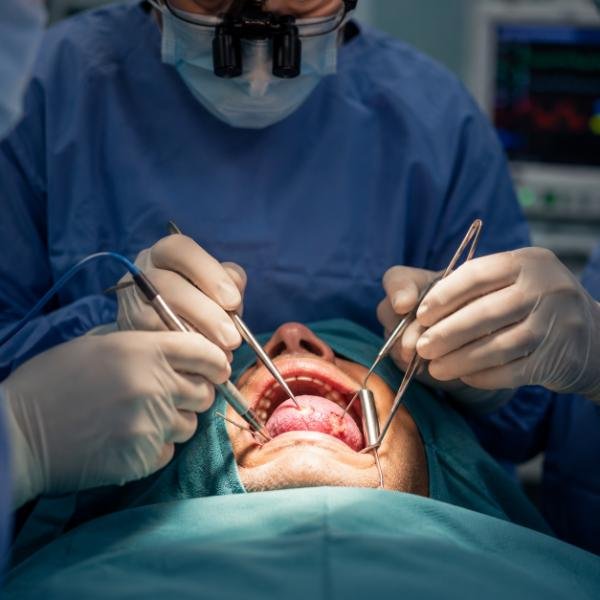
- Tongue Cancer Surgery: Surgery is often the primary treatment for localized tongue cancer. Our specialists aim to completely remove the tumour while preserving speech, swallowing, and tongue movement wherever medically feasible.
- Reconstructive Surgery: When a larger portion of the tongue requires removal, reconstructive surgery helps restore appearance and improve essential functions such as speaking, chewing, and swallowing.
- Radiation Therapy: Radiation therapy may be recommended after surgery or as the primary treatment for selected patients to destroy remaining cancer cells and reduce the risk of recurrence.
- Chemotherapy: Chemotherapy may be used alongside radiation therapy or before surgery in advanced cases to improve treatment effectiveness.
- Targeted Therapy & Immunotherapy: For suitable patients, advanced targeted therapies and immunotherapy may be recommended based on the type and stage of the cancer to improve treatment outcomes.

Your Tongue Cancer Treatment Journey
From your first consultation to recovery, our multidisciplinary team supports you at every stage of your treatment with personalized care and continuous guidance.
- Consultation & Evaluation: Meet our Head & Neck Cancer Specialist for a detailed assessment of your symptoms, medical history, and previous reports.
- Diagnosis & Staging: Clinical examination, biopsy, and advanced imaging such as CT Scan, MRI, or PET-CT help determine the stage and extent of the cancer.
- Personalized Treatment Planning: Based on your diagnosis, our multidisciplinary team develops an individualized treatment plan tailored to your condition and treatment goals.
- Treatment: Depending on your diagnosis, treatment may include tongue cancer surgery, reconstructive surgery, radiation therapy, chemotherapy, targeted therapy, or immunotherapy.
- Recovery & Rehabilitation: After treatment, we provide ongoing support with follow-up care, nutritional guidance, and speech & swallowing rehabilitation to help you return to your daily activities with confidence.
Why Choose Peritus for Tongue Cancer Treatment?
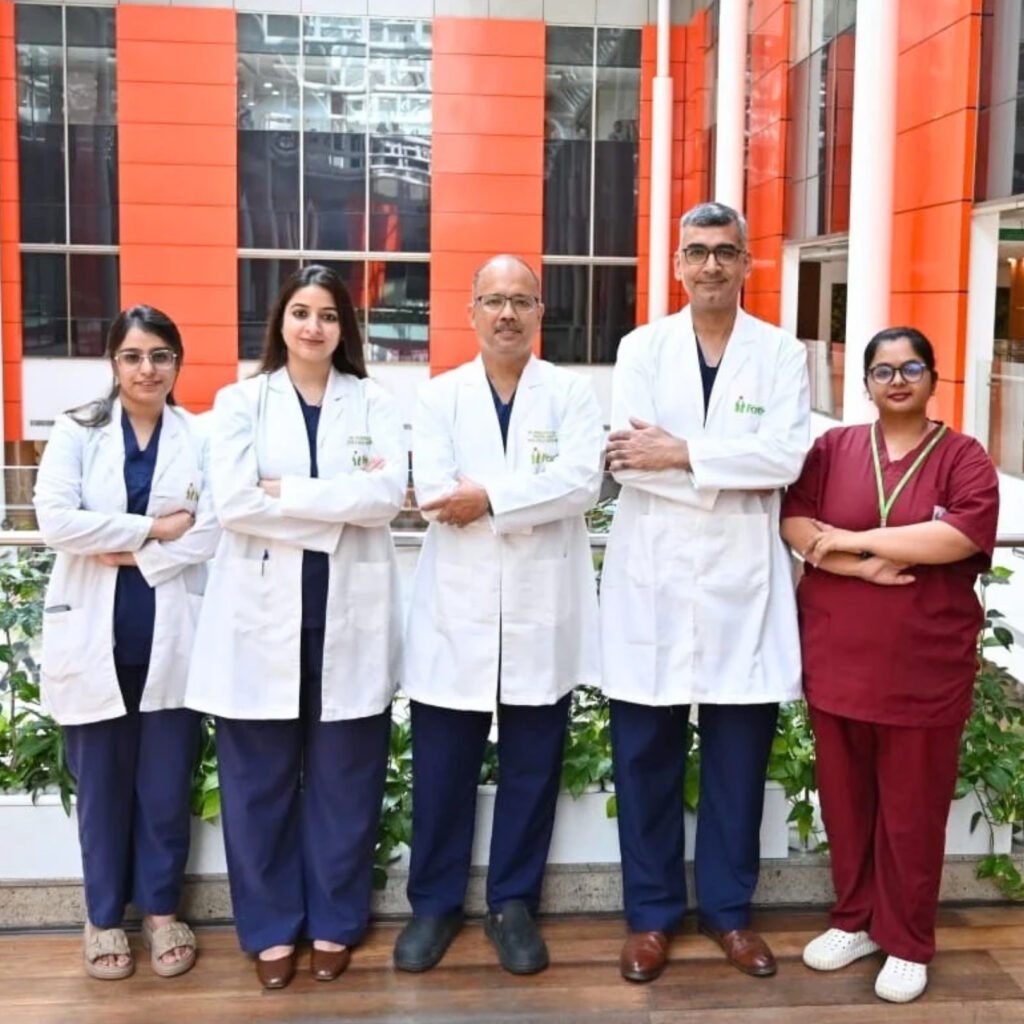
Choosing an experienced specialist is one of the most important decisions in tongue cancer treatment. At Peritus Head & Neck Cancer Centre, we combine surgical expertise with comprehensive cancer care to provide personalized treatment focused on both cancer control and quality of life.
- Experienced Head & Neck Cancer Specialists: Dedicated expertise in diagnosing and treating tongue cancer using evidence-based treatment protocols.
- Personalized Treatment Planning: Every patient receives an individualized treatment plan based on the stage of the disease, overall health, and treatment goals.
- Advanced Surgical & Reconstructive Expertise: Our team focuses on complete tumour removal while preserving speech, swallowing, and tongue function whenever possible.
- Multidisciplinary Cancer Care: Close collaboration between surgeons, radiation oncologists, medical oncologists, radiologists, pathologists, and rehabilitation specialists ensures comprehensive care.
- Speech & Swallow Rehabilitation: Specialized rehabilitation support helps patients regain confidence in speaking, swallowing, and returning to daily activities.
- Compassionate Care at Every Stage: From diagnosis and treatment to recovery and long-term follow-up, our team supports patients and their families throughout the cancer journey.
Visit Our Cancer Care Center
Locate our clinic in Gurgaon and book your consultation with our Head & Neck Cancer Specialist.