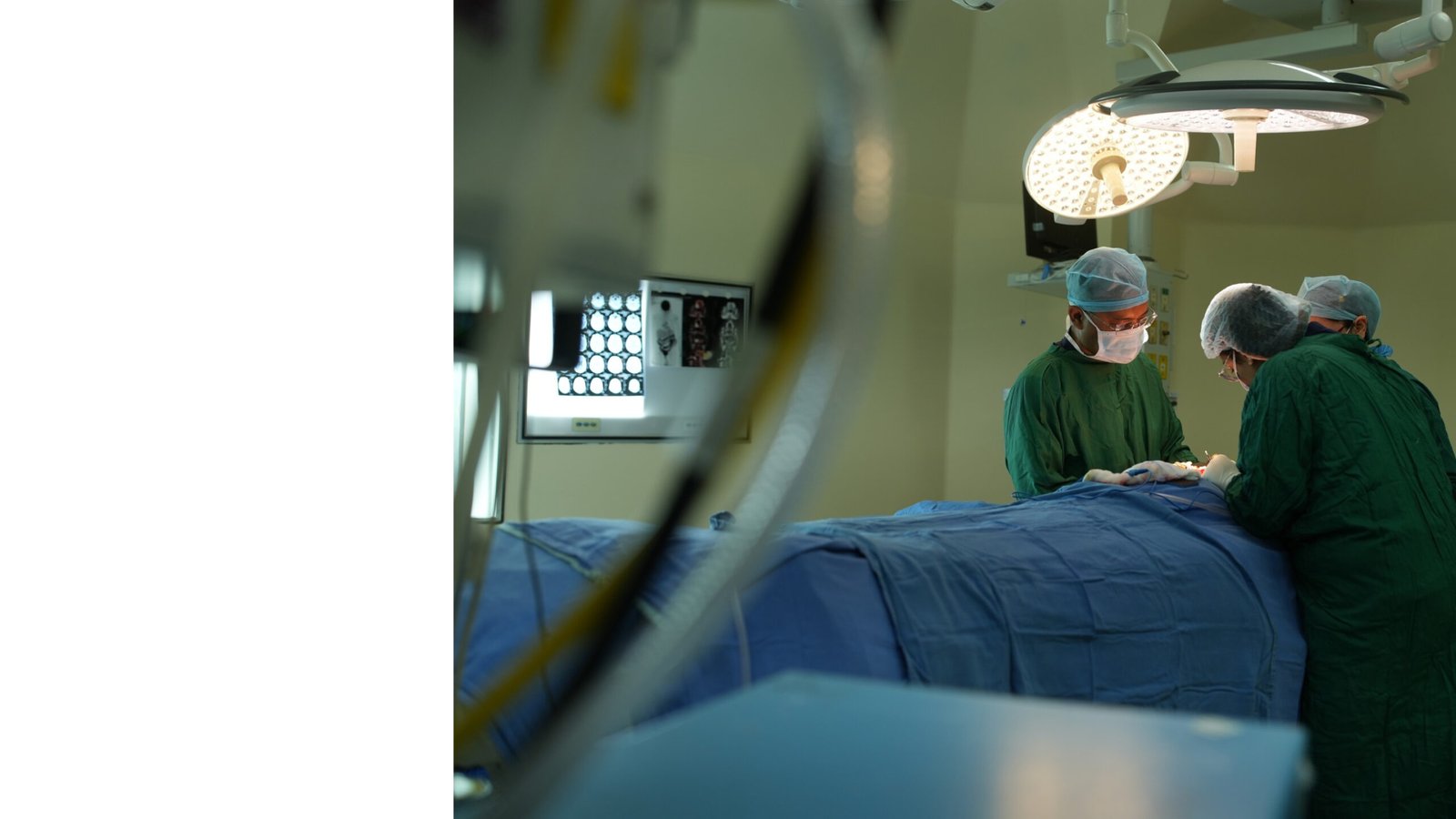
Thyroid Cancer Treatment in Gurgaon
Comprehensive Thyroid Cancer Care with Advanced Diagnosis, Precision Surgery, Radioactive Iodine Therapy & Long-Term Follow-Up by Expert Head & Neck Cancer Specialists.
- Experienced Head & Neck Cancer Specialists
- Advanced Thyroid Cancer Surgery
- Personalized Treatment Plans
- Comprehensive Cancer Care
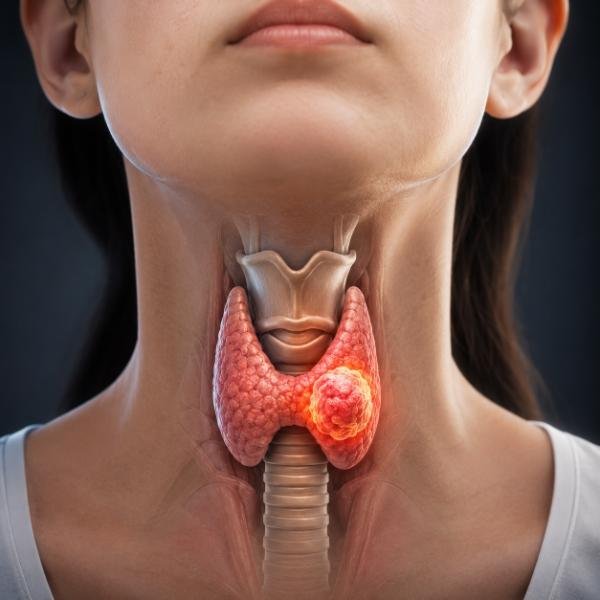
Comprehensive Thyroid Cancer Treatment
Thyroid cancer develops in the thyroid gland, a small butterfly-shaped gland located at the front of the neck that plays an important role in regulating metabolism, heart rate, and hormone production. Many cases are detected early as a painless thyroid lump or nodule and may not cause noticeable symptoms in the initial stages. At Peritus Head & Neck Cancer Centre, we provide personalized thyroid cancer treatment based on the type of thyroid cancer, its stage, and the patient's overall health. Depending on your diagnosis, treatment may include thyroid cancer surgery, radioactive iodine therapy, thyroid hormone therapy, targeted therapy, or other advanced treatment options. Our multidisciplinary team is committed to delivering evidence-based care with a focus on achieving the best possible outcomes while preserving normal thyroid function whenever medically appropriate. Whether you have recently been diagnosed with thyroid cancer or are seeking a second opinion, our specialists provide compassionate care, advanced treatment, and long-term follow-up support throughout your cancer journey.
Signs & Symptoms of Thyroid Cancer
Thyroid cancer may not cause symptoms in its early stages. However, persistent neck changes should always be evaluated by a specialist.
- Neck Lump or Swelling: A painless lump or swelling at the front of the neck is one of the most common early signs of thyroid cancer.
- Hoarseness or Voice Changes: Persistent hoarseness or changes in your voice without an obvious cause should be medically evaluated.
- Difficulty Swallowing: A growing thyroid tumour may cause discomfort or difficulty while swallowing food or liquids.
- Difficulty Breathing: Large thyroid tumours can press on the windpipe, causing breathing difficulties or a sensation of pressure.
- Persistent Neck Pain: Pain in the front of the neck that may spread to the jaw or ears should not be ignored if it persists.
- Swollen Lymph Nodes: Enlarged lymph nodes in the neck that do not resolve may indicate the spread of thyroid cancer and require prompt evaluation.

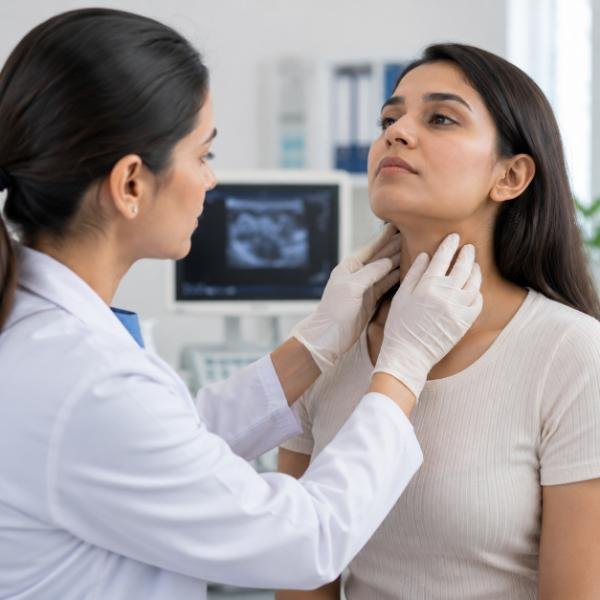
How is Thyroid Cancer Diagnosed?
Early and accurate diagnosis is essential for planning the most effective thyroid cancer treatment. At Peritus Head & Neck Cancer Centre, our specialists use advanced diagnostic techniques to determine the type, stage, and extent of the cancer before recommending a personalized treatment plan.
- Clinical Examination: A detailed evaluation of the neck is performed to assess thyroid nodules, swelling, and enlarged lymph nodes.
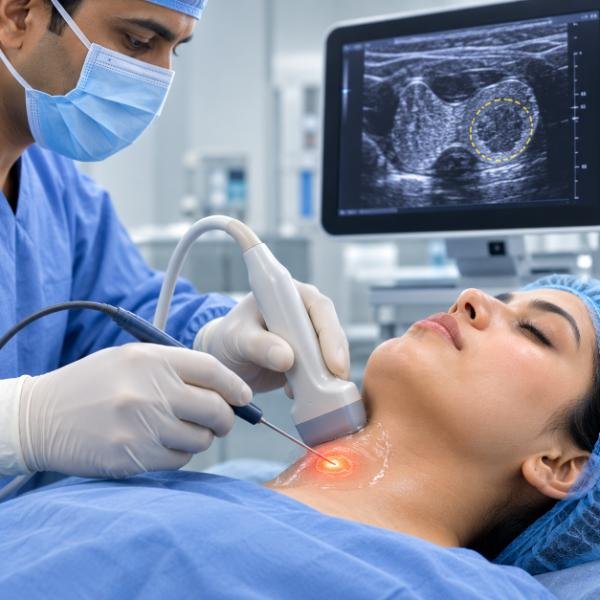
- Ultrasound & Fine Needle Aspiration (FNAC): High-resolution ultrasound helps evaluate thyroid nodules, while Fine Needle Aspiration Cytology (FNAC) is commonly used to determine whether a thyroid nodule is cancerous.
- Advanced Imaging: CT Scan, MRI, or PET-CT may be recommended when needed to assess the extent of the disease or evaluate lymph node involvement.
- Personalized Treatment Planning: After confirming the diagnosis, our multidisciplinary team develops an individualized treatment plan based on the type of thyroid cancer, its stage, and your overall health.
Advanced Thyroid Cancer Treatment Options
At Peritus Head & Neck Cancer Centre, we provide evidence-based treatment tailored to the type and stage of thyroid cancer. Our multidisciplinary team focuses on effective cancer control while preserving important structures whenever possible.
- Thyroid Cancer Surgery; Surgery is the primary treatment for most thyroid cancers and may involve removing part or all of the thyroid gland, with lymph node removal when required.
- Radioactive Iodine (RAI) Therapy; Radioactive iodine therapy may be recommended after surgery to destroy any remaining thyroid cancer cells and reduce the risk of recurrence in selected patients.
- Thyroid Hormone Therapy; After thyroid surgery, thyroid hormone replacement helps maintain normal body function and may also reduce the risk of cancer recurrence.
- Targeted Therapy: For advanced or treatment-resistant thyroid cancers, targeted therapy may be recommended to specifically attack cancer cells while minimizing damage to healthy tissue.
- Long-Term Follow-up Care; Regular follow-up appointments, imaging, and blood tests help monitor recovery, assess treatment response, and detect any recurrence at an early stage.

Your Thyroid Cancer Treatment Journey
From diagnosis to long-term follow-up, our multidisciplinary team supports you at every step with personalized treatment and compassionate care.
- 1. Consultation & Evaluation: Meet our Head & Neck Cancer Specialist for a detailed assessment of your symptoms, medical history, imaging reports, and thyroid investigations.
- 2. Diagnosis & Staging: Our team confirms the diagnosis using ultrasound, FNAC, and advanced imaging when required to determine the type and stage of thyroid cancer.
- 3. Personalized Treatment Planning: Based on your diagnosis, we develop an individualized treatment plan that may include surgery, radioactive iodine therapy, thyroid hormone therapy, or targeted therapy.
- 4. Treatment: Your treatment is carried out using advanced techniques with a focus on complete cancer removal, preserving vital neck structures whenever possible, and achieving the best possible outcomes.
- 5. Recovery & Long-Term Follow-up: After treatment, we provide ongoing follow-up care, thyroid hormone management, regular monitoring, and support to help you recover and maintain long-term health.
Why Choose Peritus for Thyroid Cancer Treatment?
At Peritus Head & Neck Cancer Centre, we combine clinical expertise, advanced surgical techniques, and personalized care to provide comprehensive thyroid cancer treatment with the best possible outcomes.
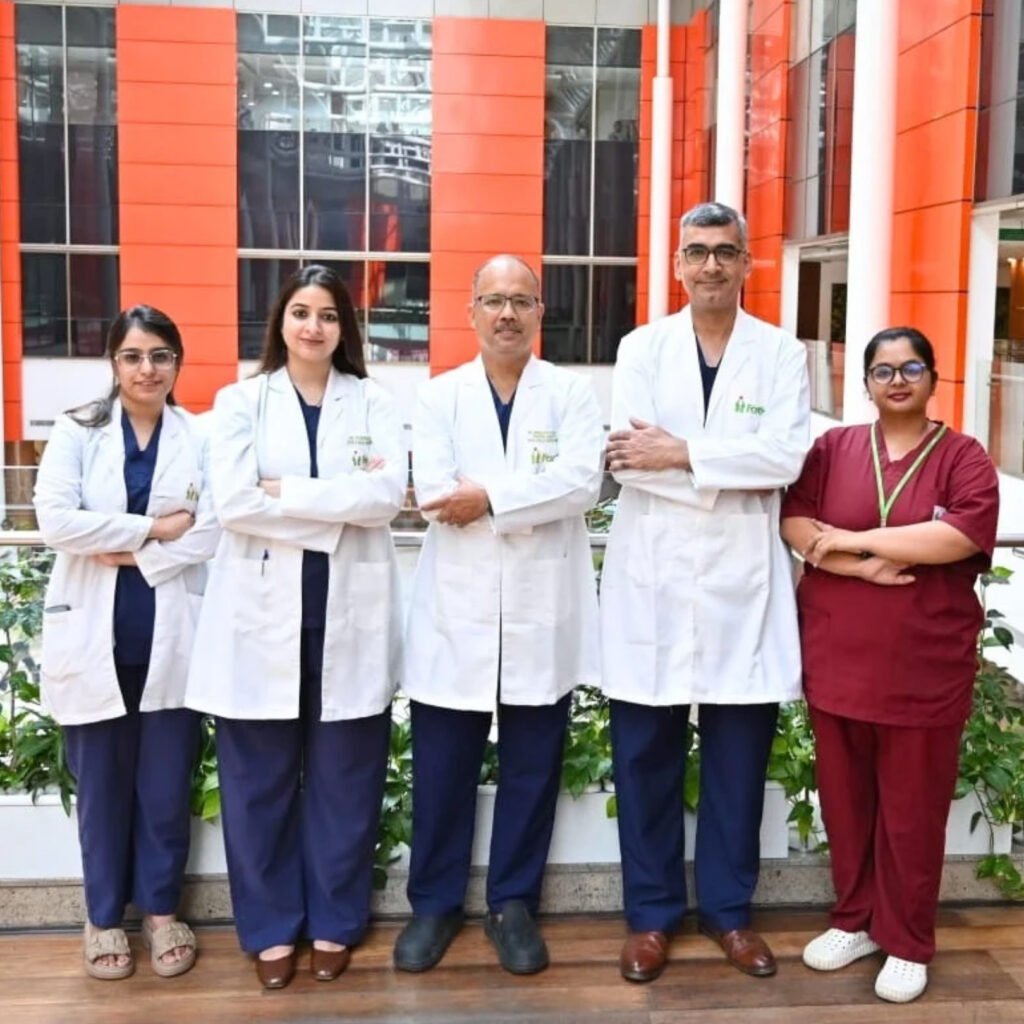
- Experienced Head & Neck Cancer Specialists: Our team has extensive experience in diagnosing and treating different types of thyroid cancer using evidence-based treatment protocols.
- Personalized Treatment Plans: Every patient receives an individualized treatment plan based on the type, stage, and extent of thyroid cancer, ensuring the most appropriate care.
- Advanced Thyroid Cancer Surgery: We perform advanced thyroid cancer surgery with a focus on complete tumour removal while preserving vital structures whenever medically possible.
- Multidisciplinary Cancer Care: Our specialists work closely with radiologists, pathologists, nuclear medicine physicians, endocrinologists, and rehabilitation experts to deliver coordinated cancer care.
- Focus on Voice & Parathyroid Preservation: Whenever medically appropriate, we use meticulous surgical techniques to help preserve the recurrent laryngeal nerve and parathyroid glands, reducing the risk of voice changes and calcium-related complications.
- Comprehensive Follow-up Care: From treatment to long-term monitoring, we provide regular follow-up evaluations and ongoing support to help detect recurrence early and ensure continued recovery.
Visit Our Cancer Care Center
Locate our clinic in Gurgaon and book your consultation with our Head & Neck Cancer Specialist.