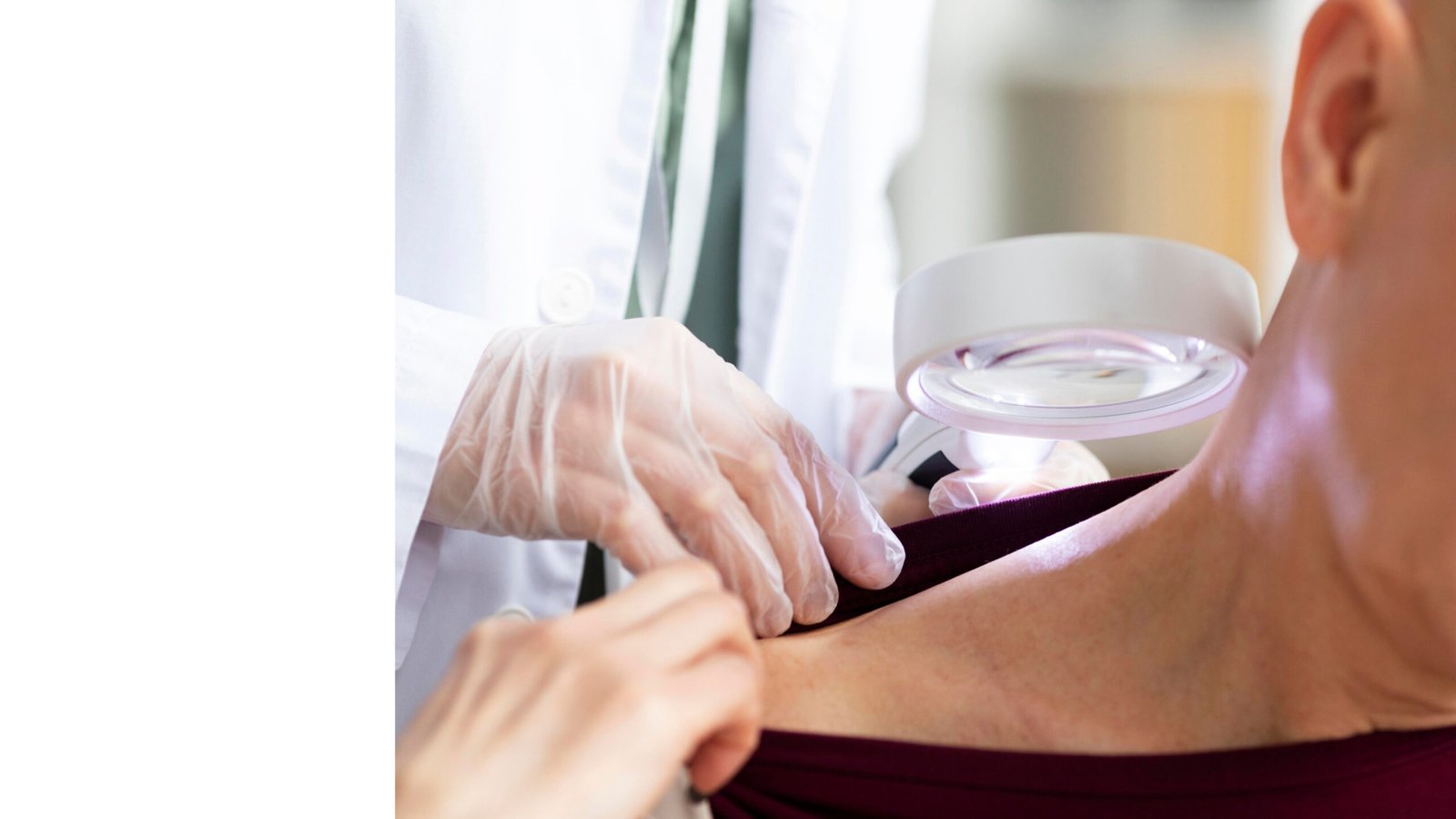
Skin Cancer Treatment in Gurgaon
At Peritus Head & Neck Cancer Centre, we provide personalized skin cancer treatment for cancers affecting the face, scalp, neck and other areas of the head and neck. Our approach combines accurate diagnosis, cancer surgery, reconstruction and multidisciplinary care, with a focus on effective cancer removal while preserving appearance and important functions whenever possible.
- Experienced Head & Neck Cancer Specialists
- Advanced Skin Cancer Surgery
- Personalized Treatment Plans
- Reconstruction & Comprehensive Cancer Care
Comprehensive Skin Cancer Treatment
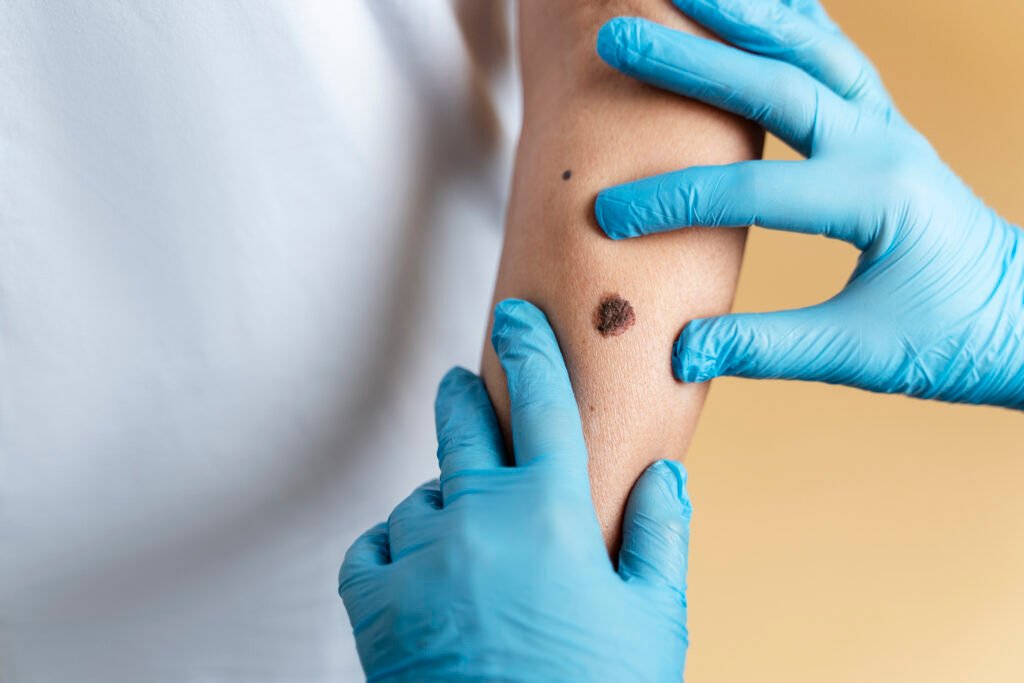
Skin cancer develops when abnormal cells in the skin grow uncontrollably. The main types include basal cell carcinoma, squamous cell carcinoma and melanoma. Skin cancer can occur anywhere on the body, but cancers affecting sun-exposed areas such as the face, ears, scalp, nose, lips and neck require particular attention because treatment may need to address both cancer control and appearance. At Peritus Head & Neck Cancer Centre, we provide individualized skin cancer treatment based on the type, size, location and stage of the cancer. Depending on your diagnosis, treatment may include surgical excision, reconstructive surgery, radiation therapy, immunotherapy or targeted therapy when medically appropriate. For skin cancers involving the head and neck, our treatment approach focuses on removing the cancer effectively while preserving important structures and achieving the best possible functional and cosmetic outcome. Whether you have recently been diagnosed with skin cancer, noticed a suspicious skin lesion, or are seeking a second opinion, our specialists can guide you through diagnosis, treatment and follow-up care.
Signs & Symptoms of Skin Cancer
Not every skin change is cancerous. However, a persistent or changing skin lesion should be evaluated by a specialist, particularly if it does not heal or continues to change.
- Sore That Does Not Heal: A sore or wound that does not heal, repeatedly returns, or continues to grow should be medically evaluated.
- Changing Mole or Skin Lesion: A mole or pigmented lesion that changes in size, shape, colour, or appearance may require further evaluation.
- New Skin Growth: A new lump, bump, or unusual growth on the skin that persists or increases in size should not be ignored.
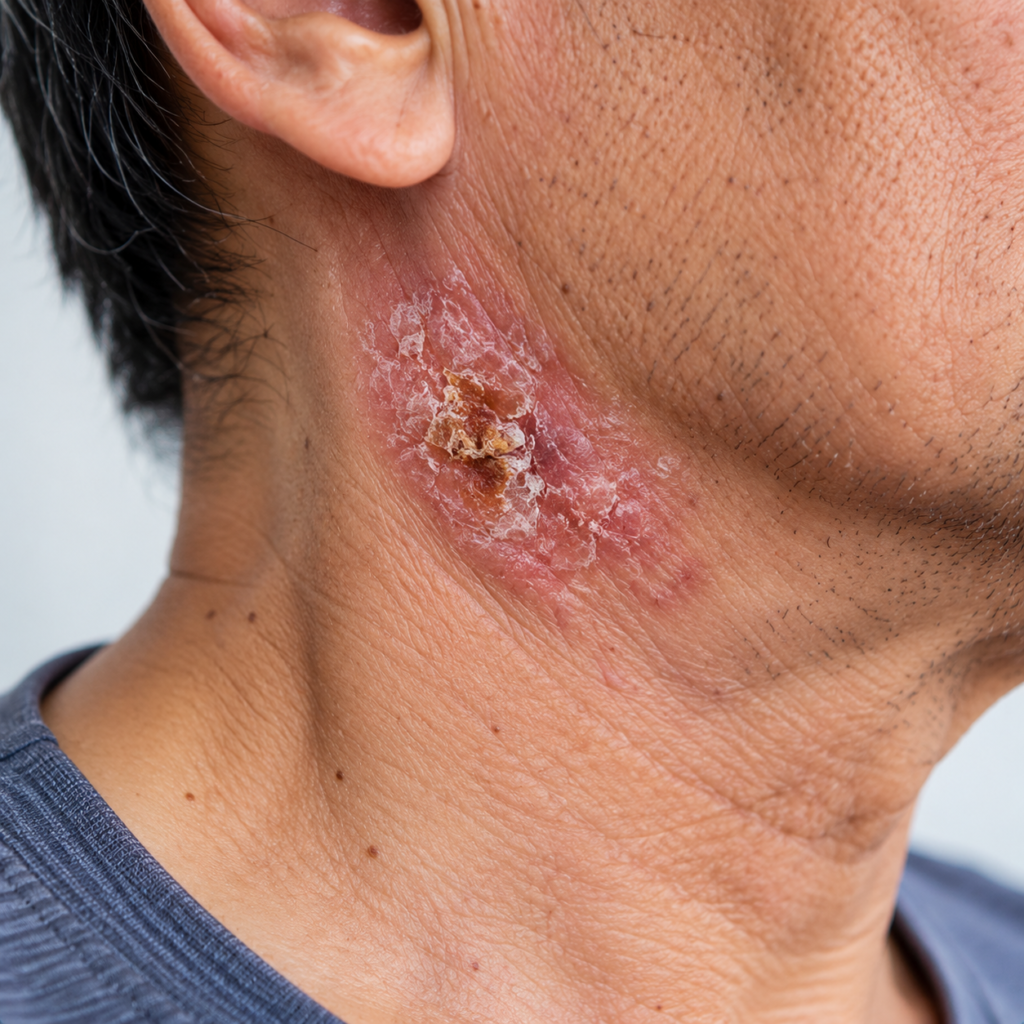
- Red, Scaly or Crusted Patch: A persistent red, scaly, crusted, or rough area of skin can be a warning sign of certain skin cancers.
- Bleeding or Repeatedly Crusting Lesion: A skin lesion that bleeds easily, forms a crust, or repeatedly breaks down should be examined by a specialist.
- Pearly or Shiny Skin Growth: A raised, smooth, shiny or pearly growth, particularly on sun-exposed areas such as the face or neck, can be seen with basal cell carcinoma.
How is Skin Cancer Diagnosed?
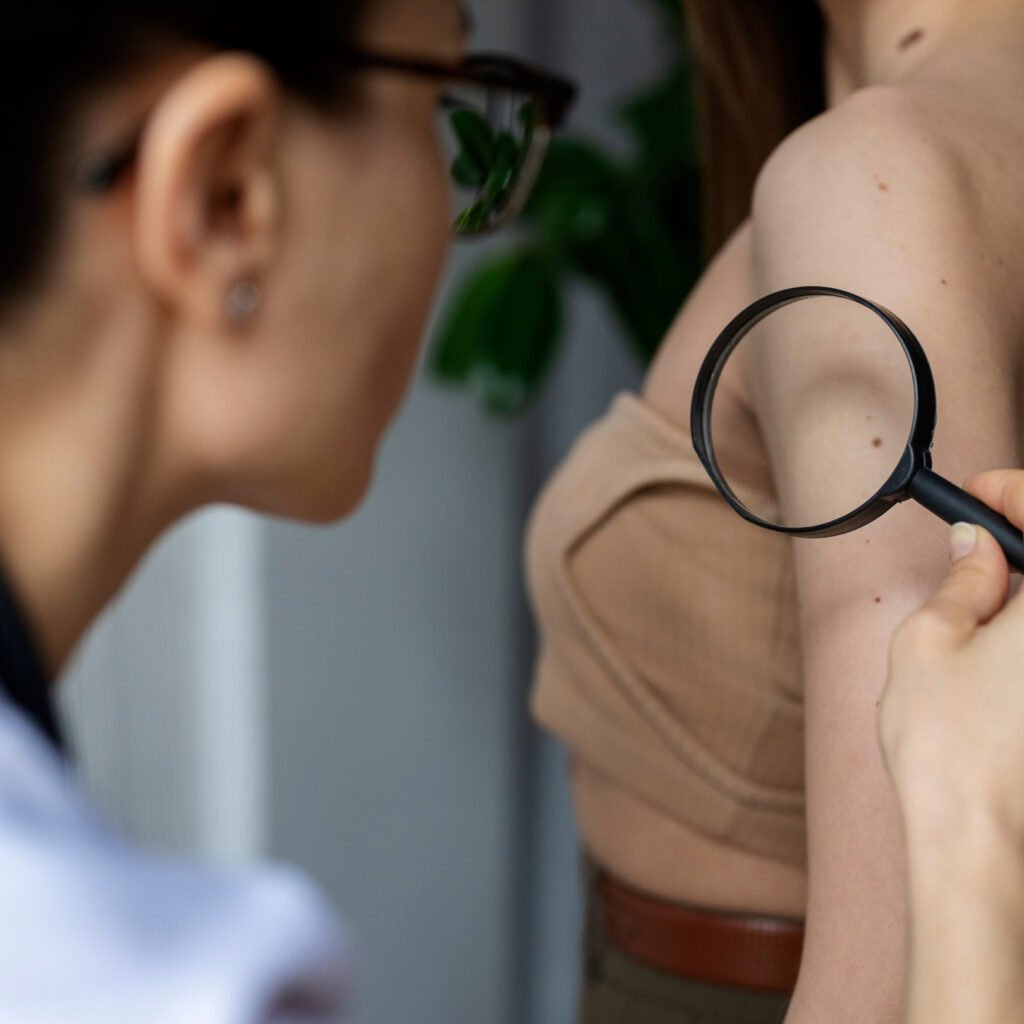
Accurate diagnosis is the first step toward choosing the right skin cancer treatment. At Peritus Head & Neck Cancer Centre, our specialists evaluate suspicious skin lesions and use appropriate diagnostic tests to determine the type, extent and stage of the cancer.
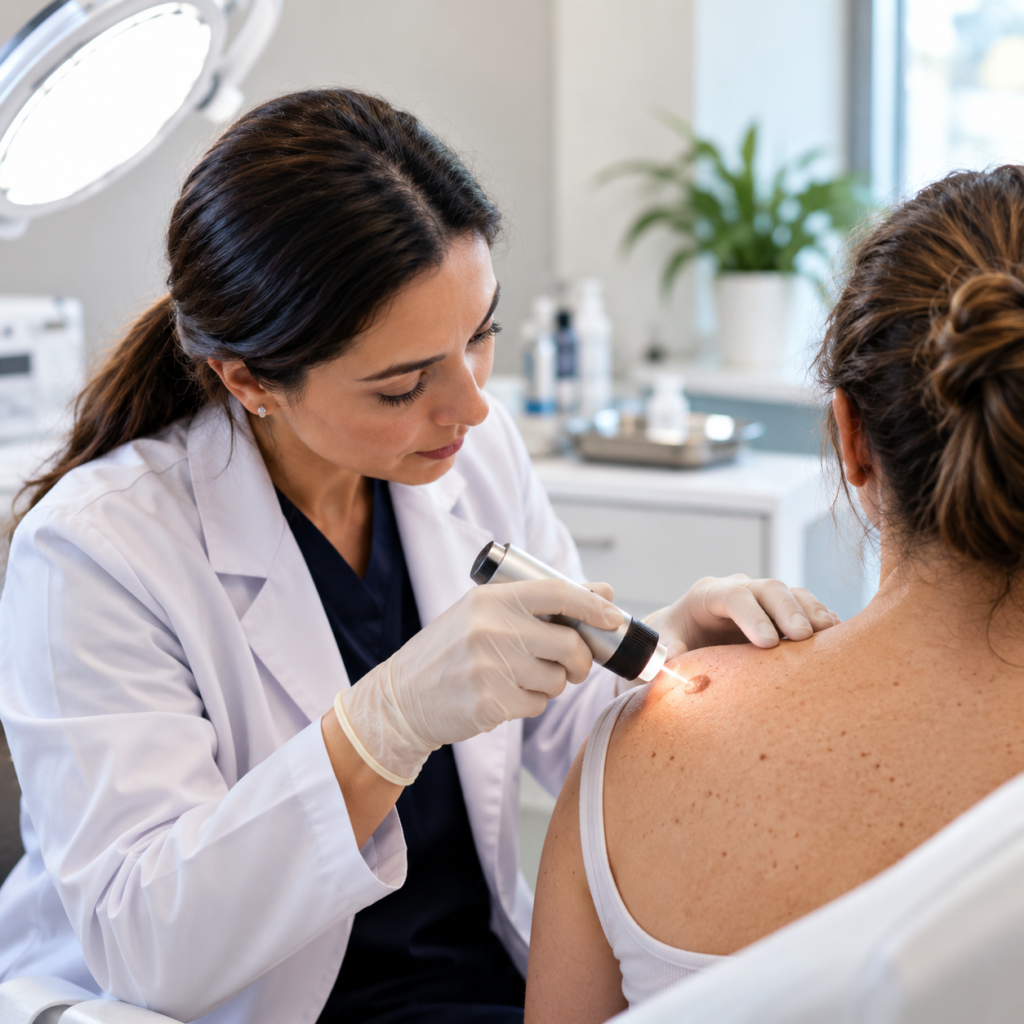
- Clinical Skin Examination: A detailed examination evaluates the size, shape, colour, texture and location of a suspicious skin lesion, along with nearby lymph nodes when required.
- Skin Biopsy: A skin biopsy is performed when necessary to confirm whether abnormal skin cells are cancerous. The tissue sample is examined by a pathologist to determine the type of skin cancer.
- Imaging & Further Evaluation: CT Scan, MRI, PET-CT or other investigations may be recommended for selected patients, particularly when there is concern about deeper involvement or spread to lymph nodes or other areas.
- Cancer Staging & Treatment Planning: Once the diagnosis is confirmed, the treatment team evaluates the cancer type, location, size and stage to develop an individualized treatment plan.
Advanced Skin Cancer Treatment Options
Skin cancer treatment is tailored to the type and stage of cancer, its location and other patient-specific factors. Depending on the diagnosis, treatment may involve surgery, radiation therapy or systemic treatments.
- Skin Cancer Surgery: Surgical removal is an important treatment for many skin cancers, particularly localized basal cell carcinoma, squamous cell carcinoma and early melanoma. The goal is to remove the cancer completely while preserving as much healthy tissue as possible.
- Reconstructive Surgery: When skin cancer affects the face, scalp, nose, ears, lips or other visible areas, reconstructive surgery may be considered after tumour removal to restore appearance and function.
- Radiation Therapy: Radiation therapy may be recommended for selected skin cancers when surgery is not suitable, when the tumour is difficult to remove, or when there is a higher risk of recurrence after surgery.
- Immunotherapy & Targeted Therapy: For selected advanced skin cancers, particularly melanoma and some advanced squamous cell or basal cell cancers, immunotherapy or targeted therapy may be considered based on the cancer type and relevant tumour characteristics.
- Multidisciplinary & Follow-up Care: For complex or advanced cases, different specialists may work together to determine the most appropriate combination of surgery, radiation and systemic treatment, followed by regular monitoring.
Your Skin Cancer Treatment Journey
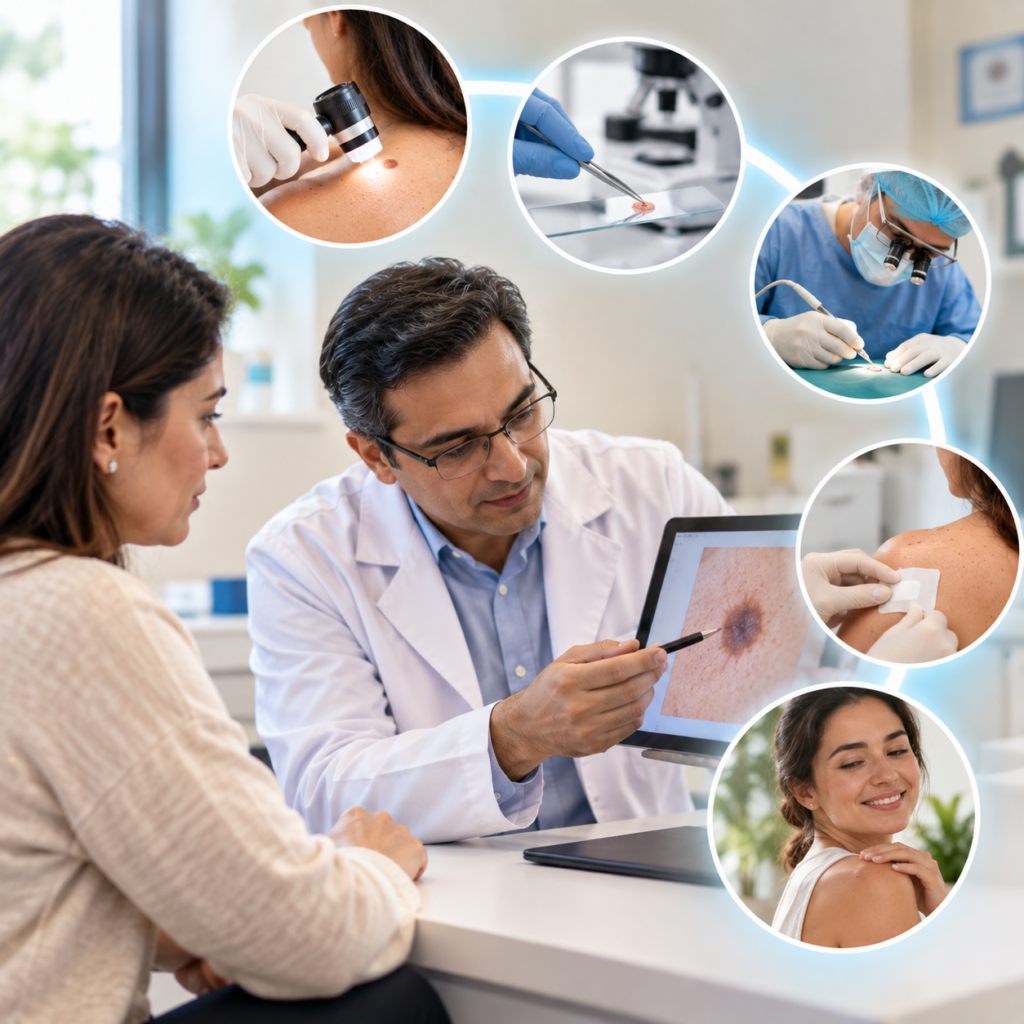
From your first consultation to recovery and follow-up, our team supports you through every stage with personalized treatment and continuous guidance.
- 1. Consultation & Evaluation: Meet our Head & Neck Cancer Specialist for a detailed evaluation of your skin lesion, medical history, previous reports and any concerning symptoms.
- 2. Diagnosis & Staging: Clinical examination, skin biopsy and additional investigations when required help determine the type, extent and stage of skin cancer.
- 3. Personalized Treatment Planning: Your treatment plan is developed according to the cancer type, location, size and stage, with the goal of achieving effective cancer control while preserving appearance and function whenever possible.
- 4. Treatment: Depending on your diagnosis, treatment may include skin cancer surgery, reconstructive surgery, radiation therapy, immunotherapy or targeted therapy.
- 5. Recovery & Long-Term Follow-up: After treatment, regular follow-up helps monitor healing, assess your recovery and identify any signs of recurrence or new skin cancers at an early stage.
Why Choose Peritus for Skin Cancer Treatment?
Choosing the right specialist is important when skin cancer affects the face, scalp, nose, ears, lips or neck, where treatment may need to balance cancer removal with appearance and function. At Peritus Head & Neck Cancer Centre, our approach combines cancer expertise, surgical precision, reconstruction and personalized care.
- Experienced Head & Neck Cancer Specialists: Our specialists evaluate skin cancers involving the head and neck and develop treatment plans according to the type, location, size and extent of the cancer.
- Personalized Treatment Planning: Every skin cancer is different. Treatment is planned according to the specific diagnosis, stage, tumour location and overall health of the patient.
- Advanced Skin Cancer Surgery: Surgery is an important treatment for many localized skin cancers. Our approach focuses on complete cancer removal while preserving healthy surrounding tissue whenever medically appropriate.
- Reconstruction & Functional Preservation: When cancer removal creates a defect on the face, scalp, nose, ear or other visible areas, reconstructive techniques may help restore appearance and function.
- Multidisciplinary Cancer Care: For complex or advanced cases, treatment may involve surgery, radiation therapy, immunotherapy or targeted therapy depending on the cancer type and stage.
- Comprehensive Follow-up Care: Regular follow-up after treatment helps monitor healing, evaluate treatment response and identify recurrence or new skin cancers at an early stage.
Visit Our Cancer Care Center
Locate our clinic in Gurgaon and book your consultation with our Head & Neck Cancer Specialist.